Bengaluru is a kind city for fishkeeping, with three local quirks worth planning for: tap water that changes with its source, hot summer afternoons and cool winter nights, and power cuts. How to handle each.
Bengaluru's mild climate makes it one of the kinder Indian cities for keeping tropical fish. It does have three local quirks worth planning for, though: tap water that varies a lot depending on where it comes from, hot summer afternoons and cool winter nights, and power cuts. Here's how to handle each.
Test your water before you choose fish. A TDS meter plus GH and KH test kits will tell you what you're working with, and it's worth re-testing whenever your building changes supply.
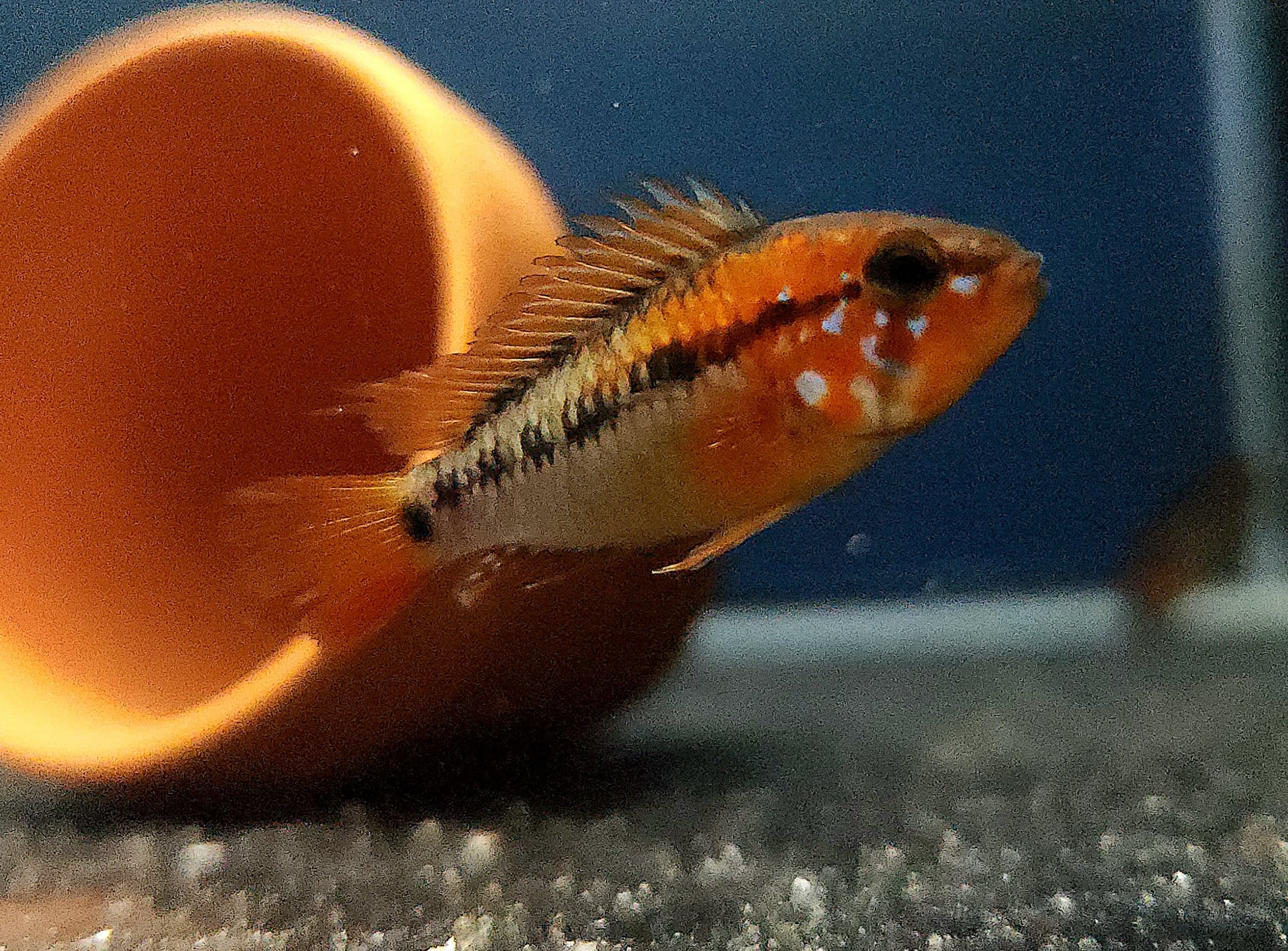
Then match your fish to your water, not the other way round. Most tetras, rasboras, Apistogramma and Caridina shrimp prefer soft water closer to the Cauvery supply. Guppies, mollies, platies and many rainbowfish are comfortable in harder water. If your borewell water is very hard and you've set your heart on soft-water species or crystal shrimp, RO water is the reliable route — our shrimp care guide explains remineralising it.
Whatever you use, keep water changes consistent. Swinging between soft Cauvery water one week and hard borewell water the next stresses fish far more than either water does on its own.
Summer (roughly March to May): Afternoon heat can push a tank toward 30°C and beyond, especially in a room that gets direct sun or under a strong light. Warm water holds less oxygen, so:
Winter nights (roughly December and January): Room temperature at night can pull a tank below the 24-26°C most tropical fish prefer. A thermostatic heater set around 25°C keeps things steady and simply stays off through the warmer months. Keep a thermometer on the tank so you know rather than guess.
Fish that travel short distances arrive less stressed, which is one of the real advantages of buying within the city. We deliver live fish within Bengaluru, and you're welcome to visit our Vijayanagar store to choose your own. However they arrive, acclimatise new fish slowly — float the bag to match temperature, then add small amounts of tank water over 20-30 minutes, especially if your tap water is very different from ours.
It can be, once treated. BWSSB's Cauvery supply is chlorinated, so always use a water conditioner. Borewell water is often much harder, so test GH, KH and TDS and choose fish that suit it, or blend it with softer water or RO.
For most tropical fish, yes — mainly for winter nights, when room temperature can pull a tank below the 24-26°C they prefer. A thermostatic heater set around 25°C simply stays off through the warmer months.
Keep the tank out of direct sunlight, increase surface agitation, run a small fan across the water surface to cool it through evaporation, and top up with dechlorinated water. Shifting your light period away from the hottest hours also helps.
Stop feeding, keep the lid on, and run a battery-powered air pump or connect an air pump to your inverter if you have one. If a canister filter has been off for more than a few hours, rinse its media in tank water before restarting it.
Understand the physics of high turn-over biological canisters & hardscaping in our next 2-day session.